
Case Study
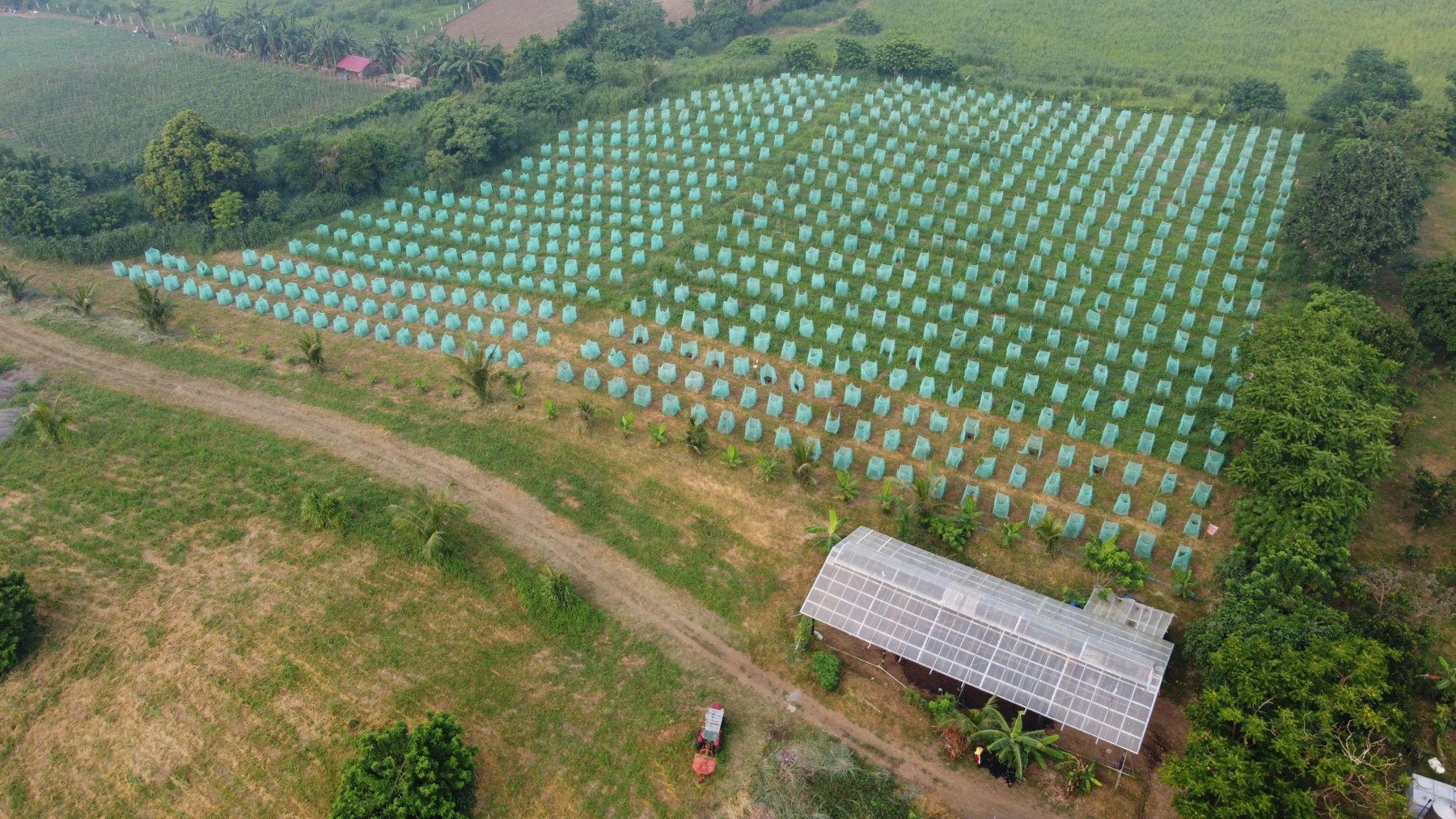
Integrated Tropical Cacao Development in Batangas
From an underperforming tropical farm to an integrated production system and a capable local team.
Project Snapshot
- Location
- Batangas Province, Luzon, Philippines
- Duration
- March 2022 – July 2024 · 28 months
- Production System
- Tropical cacao plantation, nursery and genetic-bank systems
- Sector
- Fine-flavour cacao and agricultural venture development
- Farmentor Role
- Multidisciplinary assessment, technical advisory, implementation planning and capacity building
Project Overview
What the engagement set out to achieve
Developing a fine-flavour cacao venture required more than selecting a promising variety. Agronomy, infrastructure, commercial planning and local operating capability had to work as one system. Farmentor combined these disciplines in a programme that assessed existing practices, tested assumptions in the field and supported phased implementation.
The work addressed both rehabilitation of existing trees and development of the nursery, protocols and professional team needed for future expansion. Recommendations considered local climate, available resources and operational constraints alongside the business case.
The Challenge
The project context Farmentor helped address
The farm needed a coherent production system, reliable planting material and consistent management practices. The assignment also sought to restore and validate Red Criollo material while developing practical protocols for tropical conditions. Introducing technology without understanding local practices and constraints would not have resolved these interconnected needs.
Farmentor's Role
Scope of contribution
Farmentor supported the project through:
- Assessed soil, water, climate, pest pressure, nursery practices and the origins of planting material.
- Integrated agronomic recommendations with business feasibility and implementation planning.
- Supported irrigation, fertigation, nursery development, compost production and plant protection.
- Developed operating protocols, monitoring routines and practical training for local staff.
Implementation
How the work progressed
Assessment: benchmarked existing practices and identified technical and operational gaps.
System development: coordinated nursery and genetic-bank establishment, irrigation and fertigation planning, IPM and compost systems.
Field validation: used observations and production data to refine growing and establishment protocols.
Knowledge transfer: combined approximately 30 expert visits with weekly remote support, written reports and regular technical reviews.
Operational ownership: introduced digital data collection and supported locally led quarterly reviews.
Project Highlights
Selected public achievements
A complete commercial growing protocol and dedicated nursery and genetic-bank systems were developed.
Previously neglected cacao trees were rehabilitated and planting-material protocols were validated.
The programme combined 28 months of work, approximately 30 expert visits and regular remote technical support.
Local agronomists and technical staff progressed to preparing and presenting their own quarterly reviews.
Key Lessons
What this project demonstrates
- Build the production system around technical, commercial and operational realities together.
- Validate assumptions through field work before scaling investment.
- Treat nursery quality and reliable planting material as core investment decisions.
- Develop local capability so that daily management can continue beyond specialist visits.
Planning a similar project?