
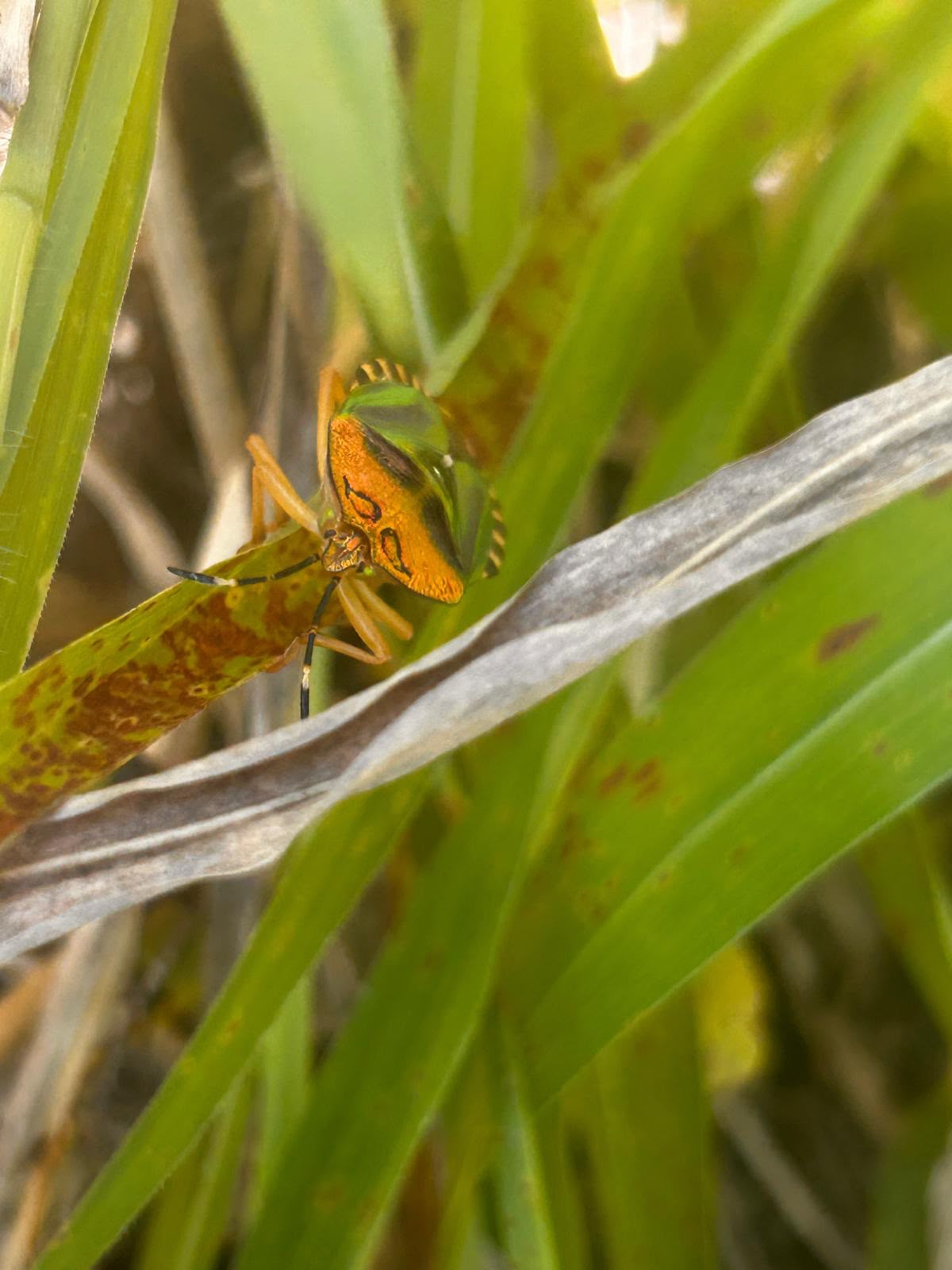
Case Study
Rapid IPM Response to a Sugarcane Pest Outbreak
Connecting immediate field action with a longer-term pest-management strategy.
Project Snapshot
- Location
- Negros Occidental, Philippines
- Duration
- Rapid field mission and technical follow-up · 2025
- Production System
- Commercial sugarcane plantations and nurseries
- Sector
- Sugarcane, plant protection and Integrated Pest Management
- Farmentor Role
- Field assessment and IPM advisory for Hawaiian-Philippine Company and regional stakeholders
Project Overview
What the engagement set out to achieve
An emerging outbreak of Red Stripe Soft Scale affected commercial sugarcane in Negros Occidental. Farmentor mobilized a multidisciplinary technical response to assess field conditions and develop practical recommendations for suppression, monitoring and longer-term management.
The work brought together pest biology, crop condition, application technology and operational constraints. It also considered how immediate treatments could affect beneficial organisms and the development of future biological-control programmes.
The Challenge
The project context Farmentor helped address
The response had to support timely action without undermining long-term pest management. Dense canopies, nursery hygiene, alternative host plants and differences in varietal susceptibility complicated control. Treatments also had to be evaluated against their effects on beneficial insects and their practical suitability for commercial operations.
Farmentor's Role
Scope of contribution
Farmentor supported the project through:
- Inspected commercial fields and nurseries and consulted local industry and research stakeholders.
- Reviewed infestation patterns, planting-material hygiene and pest-monitoring practices.
- Assessed spray coverage using Water Sensitive Paper and reviewed application options.
- Evaluated compatibility between proposed pesticide programmes and beneficial organisms.
- Developed immediate recommendations alongside priorities for further field validation.
Implementation
How the work progressed
Diagnosis: combined field observations, pest sampling and stakeholder consultations.
Monitoring: developed practical sampling and standardized monitoring procedures.
Application: assessed spray coverage, canopy penetration and equipment limitations.
Validation: compared neem-oil formulations under field conditions and considered timing and operational suitability.
Integration: incorporated nursery sanitation, vegetation management, ant activity and biological-control compatibility into the IPM approach.
Project Highlights
Selected public achievements
Delivered rapid field-assessment findings and practical IPM recommendations.
Prepared monitoring and sampling guidance and an assessment of spray-application constraints.
Identified varietal differences, nursery pathways and alternative hosts as management considerations.
Defined priorities for continued research and local validation.
Key Lessons
What this project demonstrates
- Combine immediate suppression with a prevention-oriented management strategy.
- Evaluate treatments in relation to beneficial organisms and future biological control.
- Use monitoring and early intervention to improve treatment timing.
- Validate formulations and application methods under local field conditions.
Planning a similar project?