Case Study
Continuous Innovation in Protected Vegetable Production
Expert experience: a commercial production system built around continuous learning and adaptation.
Project Snapshot
- Location
- Western Negev, Israel
- Duration
- More than 20 years of expert collaboration
- Production System
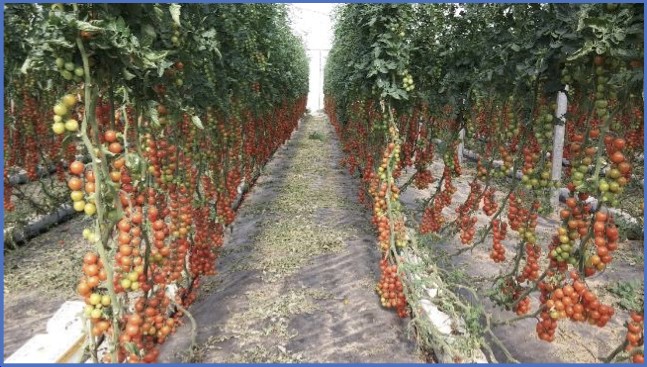
- Approximately 15 hectares of greenhouses, tunnels and net-houses
- Sector
- Vegetables, specialty crops and protected cultivation
- Farmentor Role
- Professional track record of Moshe Broner · water, soil, agroecology and applied production advisory
Project Overview
What the engagement set out to achieve
For more than two decades, Moshe Broner has worked alongside a commercial vegetable grower in the Western Negev to evaluate growing methods, irrigation strategies, substrates and operational improvements. This case presents the professional track record of a Farmentor specialist and his long-term collaboration with the grower.
The approximately 15-hectare production area serves as a commercial learning environment. New varieties and technologies are tested under real operating conditions and adopted when they demonstrate practical value in quality, productivity, resource use or market performance.
The Challenge
The project context Farmentor helped address
Intensive protected production must balance crop potential with infrastructure capacity, climate stress, water and fertilizer use, labour and buyer demand. A technically effective innovation may still be unsuitable if its costs or operating requirements do not fit the farm. Practices developed in a dry climate also require reassessment before transfer to tropical conditions.
Farmentor's Role
Scope of contribution
Farmentor supported the project through:
- Supported long-term evaluation of crop systems, growing media and irrigation methods.
- Combined water and soil expertise with fertigation, compost and agroecological approaches.
- Assessed cooling and climate-moderation options in response to local conditions.
- Linked production choices with post-harvest handling and commercial requirements.
Implementation
How the work progressed
Growing systems: compared soil-based, detached-bed and compost-based approaches.
Water and nutrition: refined irrigation and fertigation methods for crop and site needs.
Applied trials: evaluated varieties, substrates, equipment configurations and climate-moderation techniques.
Market alignment: connected specialty-crop selection and production schedules with defined buyers and sales channels.
Operational integration: considered packing location, crop loads, infrastructure and the economics of adoption.
Project Highlights
Selected public achievements
More than 20 years of expert collaboration supported a continuous-improvement process.
The farm combines approximately 15 hectares of protected systems with a range of vegetables and specialty crops.
Trials connected agronomic performance with operational reliability and commercial value.
Experience with compost, growing media and irrigation informed site-specific resource-efficiency decisions; outcomes depended on the system and conditions.
Key Lessons
What this project demonstrates
- Design a greenhouse project as an evolving production system rather than a static infrastructure asset.
- Adopt innovations only when they fit technical, operational and commercial needs.
- Align crop selection and post-harvest arrangements with customers and market channels.
- Revalidate climate-specific solutions before applying them in a different environment.
Planning a similar project?