
Case Study
Capacity Building and Model Farms for Fresh Herbs in Georgia
Turning technical knowledge into practical changes in production and market readiness.
Project Snapshot
- Location
- Western Georgia · Imereti, Samegrelo, Guria and Adjara
- Production System
- Greenhouse and open-field herbs and vegetable production
- Sector
- Fresh herbs, vegetables and agricultural extension
- Farmentor Role
- Technical assistance and capacity building under the USAID Agriculture Program / CNFA
Project Overview
What the engagement set out to achieve
Fresh-herb and vegetable growers in western Georgia sought to improve production quality and access higher-value local and export markets. Farmentor provided technical assistance and training within the USAID Agriculture Program / CNFA, working with growers, extension specialists, model-farm operators and value-chain participants.
The assignment combined remote training, field visits, individual consultancy and follow-up support. Its emphasis was practical adoption: recommendations had to fit local conditions, available inputs and the quality standards expected by buyers.
The Challenge
The project context Farmentor helped address
Constraints extended across the value chain: crop planning, irrigation, nutrition, plant protection and post-harvest handling. Technical knowledge alone was insufficient. Growers needed to see practices working under their own conditions and understand how production choices affected shelf life, quality and market access.
Farmentor's Role
Scope of contribution
Farmentor supported the project through:
- Provided remote and on-site technical assistance for greenhouse and open-field production.
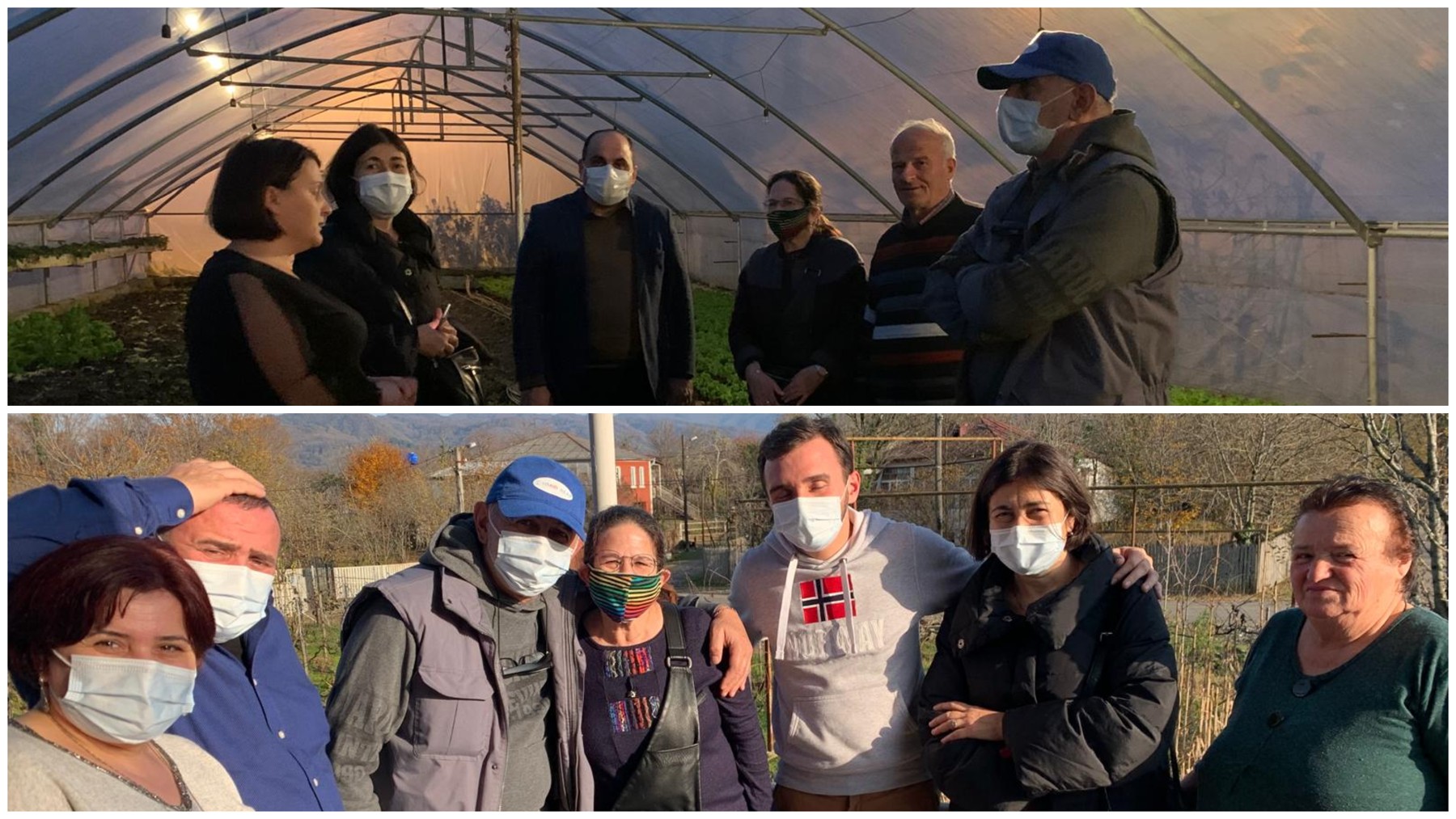
- Supported model-farm development and practical demonstrations with local growers.
- Advised on irrigation, fertigation, IPM and production planning.
- Connected agronomic decisions with handling, packing, storage and buyer requirements.
- Supported extension training, record-keeping and agricultural service provision.
Implementation
How the work progressed
Model sites: established five model plots across western Georgia to demonstrate practices under local farming conditions.
Production: addressed crop planning, plant nutrition, precise irrigation, climate moderation and weed management.
Plant protection: strengthened monitoring and integrated pest-management practices.
Post-harvest: covered sanitation, quality control, packing, storage, cold-chain considerations and export requirements.
Training: combined field demonstrations, remote sessions and short technical guides, including support for women and youth in agricultural services.
Project Highlights
Selected public achievements
Five model plots provided local demonstration and learning sites.
Training linked production practices with quality, shelf life, traceability and buyer expectations.
The programme combined individual advice, group learning and follow-up technical support.
Recommendations were adapted to local soil, water, infrastructure, input availability and market conditions.
Key Lessons
What this project demonstrates
- Demonstrate practices on local farms as well as explaining them in training.
- Plan production around market requirements rather than seeking buyers only after harvest.
- Adapt technologies to local resources and regulatory conditions.
- Combine model sites, monitoring and continued support to sustain learning.
Planning a similar project?